-
Courses
Courses
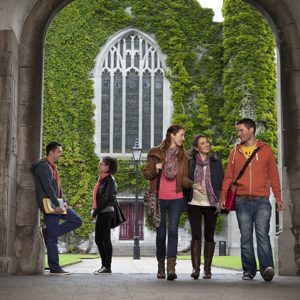
Choosing a course is one of the most important decisions you'll ever make! View our courses and see what our students and lecturers have to say about the courses you are interested in at the links below.
-
University Life

University Life
Each year more than 4,000 choose University of Galway as their University of choice. Find out what life at University of Galway is all about here.
-
About University of Galway
About University of Galway
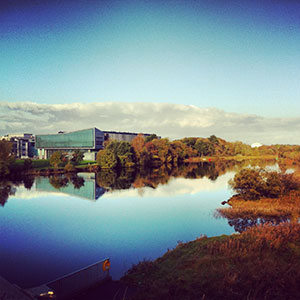
Since 1845, University of Galway has been sharing the highest quality teaching and research with Ireland and the world. Find out what makes our University so special – from our distinguished history to the latest news and campus developments.
-
Colleges & Schools
Colleges & Schools
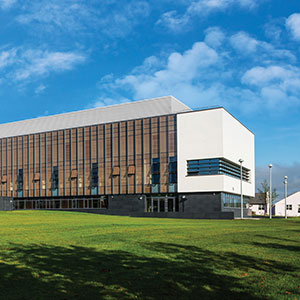
University of Galway has earned international recognition as a research-led university with a commitment to top quality teaching across a range of key areas of expertise.
-
Research & Innovation
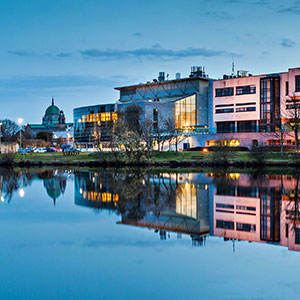
Research & Innovation
University of Galway’s vibrant research community take on some of the most pressing challenges of our times.
-
Business & Industry
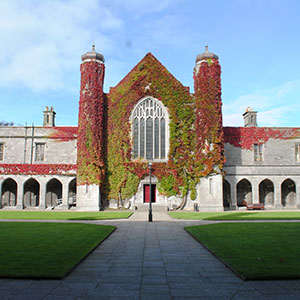
Guiding Breakthrough Research at University of Galway
We explore and facilitate commercial opportunities for the research community at University of Galway, as well as facilitating industry partnership.
-
Alumni & Friends
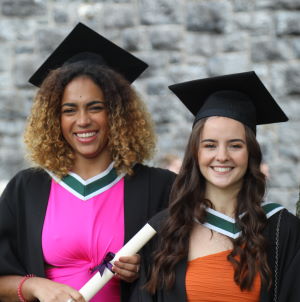
Alumni & Friends
There are 128,000 University of Galway alumni worldwide. Stay connected to your alumni community! Join our social networks and update your details online.
-
Community Engagement
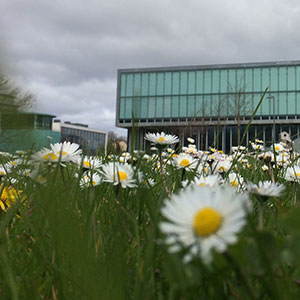
Community Engagement
At University of Galway, we believe that the best learning takes place when you apply what you learn in a real world context. That's why many of our courses include work placements or community projects.








 Accessibility & Language
Prospective students
Studying economics at NUI Galway
Studying economics gives you:
- An insight into the various economic relationships in the real world around you
- An introduction to the analytical tools you need to help you to explore and understand these relationships
- The opportunity to deepen your understanding of current affairs, the economics of the marketplace, economic factors influencing politics, and how economic issues have influenced the course of history.
The University of Galway has a long and proud tradition of research-led teaching in economics, of international standing.
Economics appeals to a variety of students at different stages, and with a variety of interests.
Learn more about:
Undergraduate
There are a number of options for studying economics at the undergraduate level at the University of Galway Economics is available:
- in the BA degree, and in related degrees in Arts, such at the BA (International), and the BA (Public & Social Policy) degrees
- in the B.Comm and related degrees, such as the B.Comm (International) degrees
- in our specialised 4 year B.Sc.(Financial Mathematics and Economics) degree
- and in a number of other degree options
Taught postgraduate programmes
Explore our taught masters programmes, all of which reflect research specialisms and expertise in Economics at the University of Galway;
M.Econ.Sc. in International Finance
M.Sc. in Global Environmental Economics
M.Sc FinTech (Economics & Financial Technology)
Learn more about our taught postgraduate programmes in economics
Research postgraduate degrees
Options here include:
- our very active and diverse PhD programme
- research masters degrees
.png)